Inside Dirt: A Closer Look at Area 2 Farms
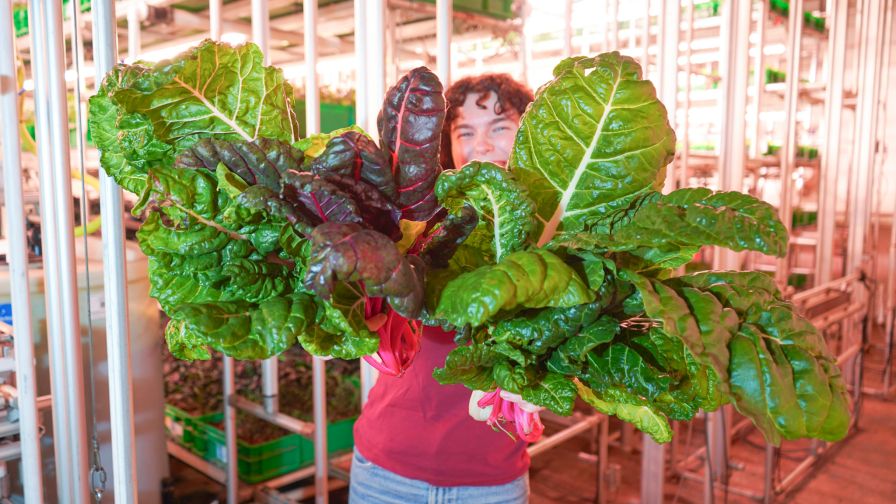
A farmer at Area 2 Farms displays a bouquet of rainbow Swiss chard. | Area 2 Farms
Area 2 Farms, launched in 2022, is bringing cities to life by vertically farming nutrient-dense food in empty urban spaces. Its modular rack systems tower more than 15 feet high, allowing its farmers to harvest acres of crops—in soil—within a single urban warehouse in Arlington, Va.
“We looked at our cities and saw so much underutilized space and realized that if we could make a farm modular enough, a farm could go anywhere,” says Tyler Baras, co-founder and chief science officer.
With an eye to grow the business into multiple urban areas along the East Coast, Area 2 Farms is about to open its second site in Fairfax, Va., this year. “Our farm in Arlington has been selling to hundreds of customers for several years,” Baras says. And everyone at the company is excited to roll out the new Fairfax location.”
The model is clearly working, and investors have taken note. Area 2 Farms recently raised $9 million from investors who believe in its business model. Slow Ventures, Seven Seven Six, and ANIMO Ventures are helping Area 2 Farms make good on its motto: “Move the farm, not the food.”
Beyond Greens and Vine Crops
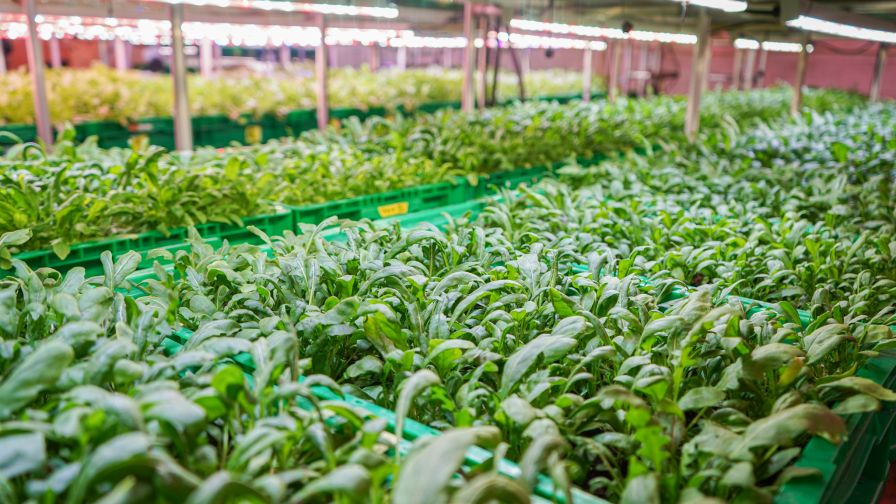
Vertical racks are filled with soil that grows a variety of crops for CSA customers, from microgreens to root vegetables. | Area 2 Farms


The company’s Arlington operation has proven a successful way to operate year-round in the 3,600-square-foot space where it propagates, refrigerates, and handles post-harvest operations.
“So much of what we do is about connecting to the community,” Baras says. The farm allows growers to offer nutrient-dense vegetables that its neighbors can purchase fresh each week. An added plus: The community has a relationship with the farmer growing its food.
Since Area 2 Farms grows for CSA (community-supported agriculture), it makes sure it can offer what it calls a “complete market basket,” including microgreens, salad greens, herbs, and root vegetables. Growing in a soil-based, vertical rack system allows them to do things a little differently from more-typical indoor hydroponics systems, including crops such as turnips, radishes, onions, and carrots.
Soil, Silo, and Seed
Baras spends much of his time making sure the farmers at Area 2 Farms have the tools it needs to grow high-quality crops. To do this, he focuses on three core areas: soil, silo, and seed.
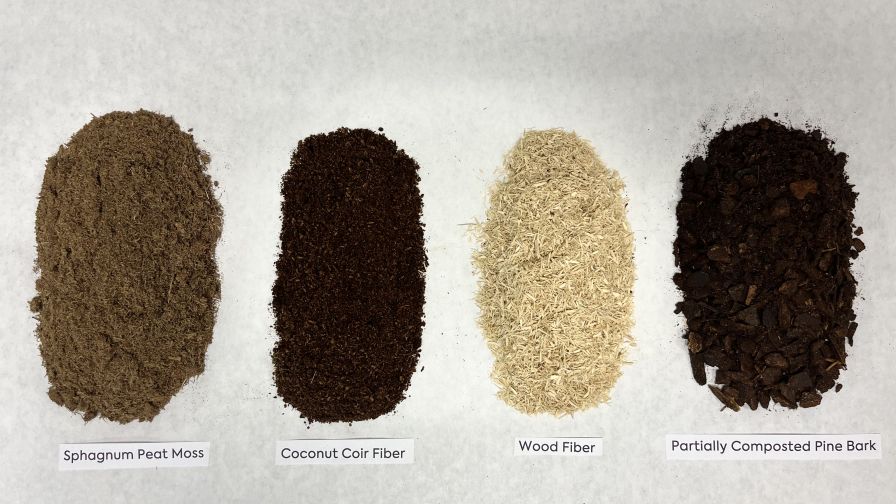
“When customers visit the farm to see what we do, they see the soil, and it just feels warm. It’s easy to connect to,” Baras says. That’s the emotional side of using soil as a medium. Practically speaking, Baras says, “Our soil efforts include optimizing our vermicompost and soil-building process to create a healthy soil ideal for organically growing a wide range of crops.”
Area 2 Farms’ patented Silo system is the second big focus. “Silo is our robotic growing system that works with naturally occurring thermal layers and microenvironments present in a vertical farm,” Baras explains. “It matches a plant’s desired daily temperature swings while minimizing or removing elaborate air-handling systems, expansive irrigation systems, and expensive automation equipment. It’s an elegant evolution in vertical farming technology.”
The third focus is seed. “This covers all our plant breeding and variety screening efforts. Agricultural history has shown us that the biggest leaps in production are almost always linked to developments in plant genetics. But our genetics efforts aren’t just focused on yield. We’re equally focused on what’s best for the customer, including flavor and nutrition,” Baras says.
The Community Connection
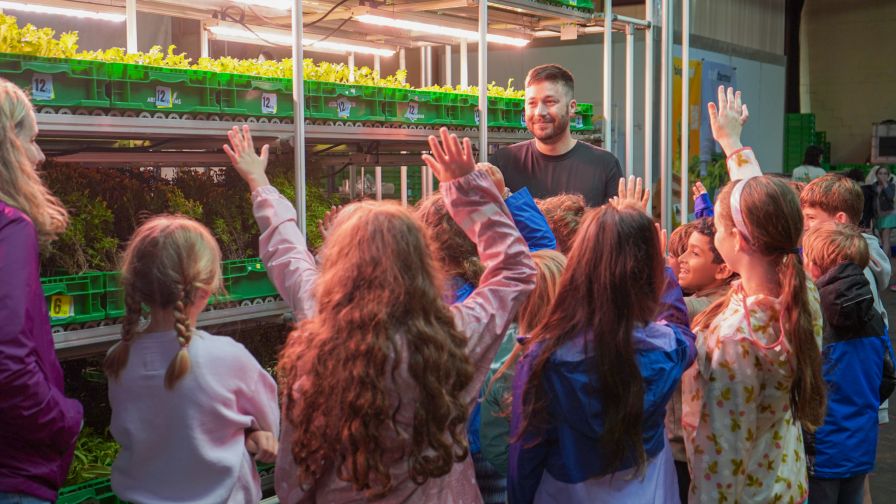
Tyler Baras, co-founder and chief science officer of Area 2 Farms, leads a school tour at the company’s Arlington, Va., location. | Area 2 Farms
“The farm is managed as a single, integrated system serving the local community,” Baras says. “This year, we’ve welcomed more than 1,000 K-12 students and continue to open the farm to others.”
The Arlington location operates with a small team. “Our head farmers make time to train farmhands and apprentices. The structure is designed to ensure accountability, knowledge sharing, and consistency in how crops are grown and harvested, while also supporting additional farms in the future,” Baras says.
It’s a living infrastructure. “Because our farms are clean, quiet, and soil-based, we find that cities are very excited to work with us,” he adds. Instead of empty spaces sitting idle, they can become a vibrant heartbeat of a neighborhood.
Zoning varies by municipality, but since Area 2 Farms fits into standard commercial footprints with basic power and water needs, the company integrates into the community more easily than people ever thought a farm could.
A New Kind of Farmer
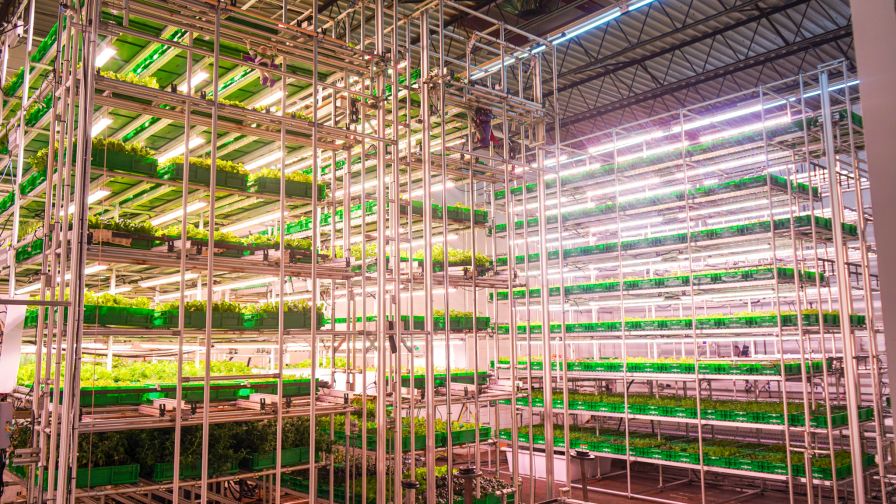
Area 2 Farms’ Silo system is designed to work with naturally occurring thermal layers and
the microenvironment present in a vertical farm to match a plant’s daily temperature and
water requirements. | Area 2 Farms
Area 2 Farms isn’t just about building technology. It’s about empowering people to be first-generation farmers without the massive barrier of having to buy 100 acres of land.
“We provide the ‘farm in a box’ at our site—the tech, the seeds, and the science—so farmers can focus on the craft of growing and the joy of community-building. And the community gets to know the person growing their food. Our farmers manage our CSA program, lead tours for hundreds of people every month, and host school field trip programs, all of which build real bonds,” Baras says.
Editor’s note: This article was originally published in our 2026 Industry Report: Vertical Farming.