Greenhouse Insurance Renewals: What Growers Need to Know
 October 20, 2025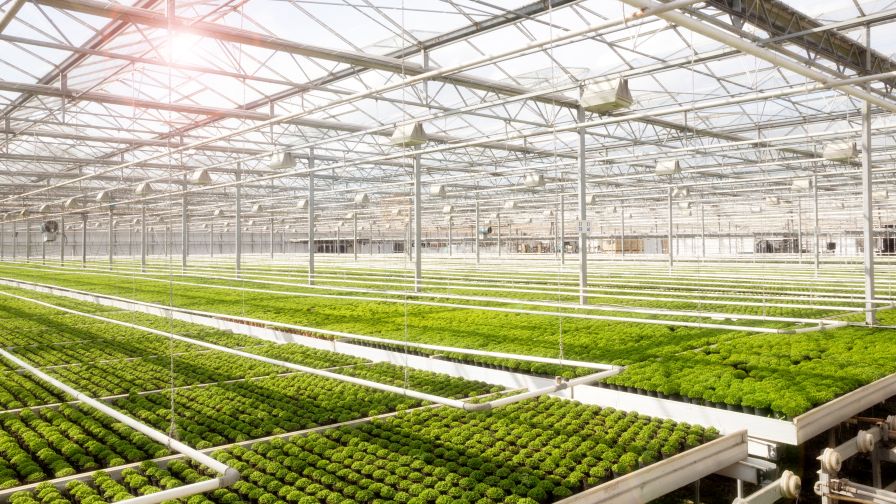
Industrial greenhouse with rows of cultivation. | Photo courtesy of Adobe Stock
As the holiday season approaches, greenhouse operators are managing production deadlines, workforce planning, and sales goals. In the midst of it all, one critical task often slips down the list: reviewing and renewing your business insurance.
If you wait until year-end, you may miss the opportunity to adjust your coverage, ask critical questions, or fully prepare for 2026. Insurance renewals don’t have to be rushed — or stressful.
Industry best practice recommends starting the renewal process at least 90 days before your policy is up for renewal. That gives you and your insurance provider time to assess changes, update coverage, and avoid surprises. Starting early gives you control — ensuring your insurance reflects your operations today and the risks ahead.
Here are five common insurance renewal questions greenhouse owners should be asking — and how the answers can help you renew business insurance with greater clarity and confidence.
1. Has Anything Changed in Your Business That Might Affect Your Insurance?
Greenhouse operations evolve all the time. Whether you’ve added a new structure, automated part of your process, shifted product lines, or adjusted delivery services, these changes can affect your risk exposure. If your insurer isn’t aware of what’s changed, your coverage may no longer align with your needs.



Real-world example: One greenhouse owner recently installed an automated transplanting line. It improved efficiency — but it also introduced new risks, including potential equipment failure and worker injury. Because the change came up during the renewal conversation, we were able to adjust coverage before an incident occurred.
What to do:
- Walk through your business as if you’re onboarding a new team member. What’s new?
- Share updates you’ve made to buildings, equipment, staffing, or product categories.
- Tell your insurer if you’ve added services like delivery, landscaping, or consulting.
2. Are You Protected Against Today’s Top Risks?
Property and liability insurance are essential — but they don’t cover everything. Many greenhouse businesses are exposed to risks that weren’t on the radar even a few years ago. Today’s top threats include:
- Cyberattacks: The FBI reports that U.S. businesses lost more than $12.5 billion to cybercrime in 2023, with many small and mid-sized companies affected. If you store customer data, make electronic payments, or use connected equipment, you could be vulnerable. Cyber liability insurance can help cover losses related to legal defense, breach notifications, crisis response, and credit monitoring.
- Severe weather: NOAA data shows billion-dollar weather disasters have more than doubled since the 1980s. For greenhouses, events like wind and hail continue to pose serious threats.
What to do:
- Ask your insurer to assess your current exposures and compare them to your coverage — especially for cyber, recall, and property risks.
- Consider additional protection through policies like cyber liability, product recall, or business interruption insurance.
- Revisit your disaster recovery plan and confirm it coincides with your insurance program.
3. Could Your Current Coverage Fall Short If Something Goes Wrong?
Underinsurance is one of the most common — and costly — gaps we see. With rising inflation, higher labor costs, and more expensive litigation, the coverage that worked last year may not be enough this year.
- Construction costs: According to the National Association of Home Builders, prices for building materials rose nearly 36% from 2020 to 2023 — affecting the cost to rebuild greenhouses, warehouses, and office space.
- Labor: Bringing in skilled tradespeople for repairs or replacements now costs significantly more than it did just a few years ago, according to RedHammer.
- Legal claims: According to the Maryland Injury Law Center, the average jury award in premises liability cases has climbed into the millions, making higher liability limits essential.
Real-world example: After a storm damaged a grower’s main greenhouse, the repair costs exceeded their policy limits by nearly $500,000. Material inflation, labor costs, and delays hadn’t been factored into their renewal. That shortfall came out of pocket.
For the remaining two questions, read the full article on GreenhouseGrower.com.