Title 24 Energy Code Updates: What California Growers Need to Know
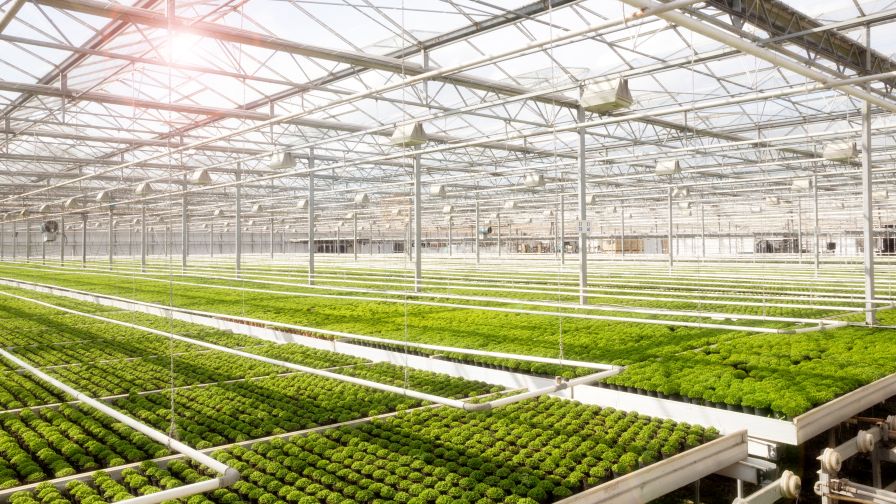
Industrial greenhouse with rows of cultivation. | Photo courtesy of Adobe Stock
Planning to build a new greenhouse or indoor farming facility in California? Thinking about upgrading your lighting or expanding your operation? There’s one line item you can’t afford to miss: Title 24, Part 6 (Energy Code) compliance.
As of Jan. 1, 2023, California’s Energy Code includes mandatory requirements for CEA spaces, including indoor farms and conditioned greenhouses. These requirements affect everything from lighting layouts to building envelopes, and they’re already being enforced.
“The 2022 Energy Code was designed to ensure that growers building new facilities or retrofitting existing ones are operating as efficiently as possible,” says the Energy Code Ace team, which is partnering with Resource Innovation Institute (RII) to support outreach and education around the regulations. “This isn’t just about checking a box for compliance, it’s about helping growers reduce costs, improve system performance, and future-proof their operations.”
When the Standards Apply
According to the definitions section of the 2022 Energy Code, a CEA space is defined as any enclosed area used for plant production that manipulates indoor environmental conditions, this includes spaces using electric lighting, irrigation, mechanical heating or cooling, or dehumidification. The Energy Code does not apply to ornamental displays or purely decorative plant use.
That means if you’re growing food, cannabis, or floriculture crops under controlled conditions, and you’re renovating or building in California, you should be familiar with the codes to see if they apply to your project.



What’s Covered
Title 24, Part 6 outlines energy performance standards across multiple systems. For most CEAH projects, three areas stand out:
- Indoor and outdoor horticultural lighting: Lighting must meet minimum efficacy standards and may require updated control systems.
- HVAC systems: Requirements for mechanical heating, cooling, and dehumidification impact both design and equipment selection.
- Building envelope: For enclosed conditioned spaces, updated insulation, air-sealing, and glazing standards apply.
Additional provisions also cover water heating and power distribution systems, especially when tied to mechanical systems used for plant production.
What it Means for Growers and Builders
Title 24, Part 6 requirements impact more than new construction and additions, they may also impact alterations and replacements of existing equipment. Builders, engineers, and farm operators need to factor Title 24, Part 6 requirements into planning and permitting timelines early to avoid delays.
For those looking to stay ahead, the Title 24, Part 6 CEH Fact Sheet developed by Energy Code Ace outlines exactly which parts of your project are affected—and how to take action. From understanding your lighting load to evaluating insulation needs, the fact sheet can be downloaded for free and makes the Energy Code more accessible to designers and growers alike. You can download the fact sheet here.
In a sector where margins are tight and energy use is high, even small efficiency upgrades can lead to significant cost savings over time. “Title 24, Part 6 gives growers a framework for designing more efficient, cost-effective facilities,” says the Energy Code Ace team. “If you’re planning a new build or retrofit, now is the time to get familiar with the standards.”