Research Brief: Pest Management Through Diversification
 November 7, 2025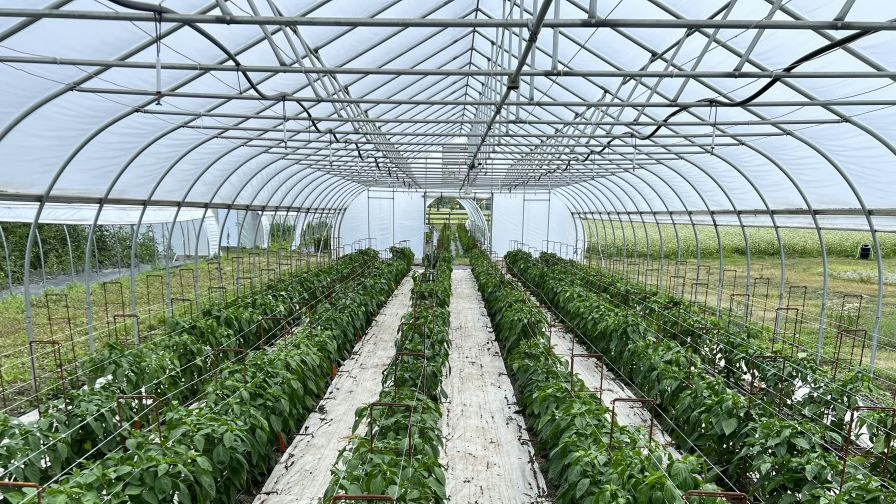
Crops growing in a high tunnel. | Photo courtesy of Purdue University
Purdue University is exploring how planting herbs and flowers alongside high-value crops can deter pests in high tunnel environments.
Laura Ingwell, Ph.D., assistant professor of entomology, has been leading this study for two years. In that time, 13 graduate and undergraduate students have completed work on nine high tunnels at Purdue’s research farm.
Dr. Ingwell explains that pests thrive in stressful environments, making the warm, humid conditions that high tunnels create especially attractive to them. “The opposite is true for beneficial insects,” she says. “They’re mobile and will leave a stressful environment, which makes pest management especially challenging in high tunnels.”
By having a floral component planted next to vegetable crops, Dr. Ingwell and her team have found that beneficial insects are more likely to stay in the high tunnel.
A key part of this research involved finding the right type of beneficial insects for high tunnel growers. Dr. Ingwell says that the natural enemies needed in high tunnel production vary from those needed in greenhouses and vertical farms. In fact, up until now, there wasn’t enough information available to determine which species can effectively manage pests in high tunnels.


“It’s exciting for us to narrow it down to a few species that will persist, forage, and perform well in high tunnels,” she says. “Growers are starting to recognize that these are an important component to production and should be added to their environment.”
Of all the beneficial insects Dr. Ingwell has worked with so far, she’s seen especially promising results from syrphid flies. She, along with other members of Purdue’s CEA Advisory Board, are investigating how they can make these natural predators commercially available to growers.
While she has a Specialty Crop Research Initiative (SCRI) grant from Purdue for the next year and a half, Dr. Ingwell will continue her work with plant diversification, specifically focusing on tomato crops in high tunnels. “We all recognize that tomatoes are the number one crop right now,” she says. “I want to explore what the minimum level of diversification is to help with pest management, soil health, and pollination in this crop.”
Editor’s note: This article was published in our Industry Report: Protected Crops.