Research Brief: Long Cane Raspberry Production
 October 29, 2025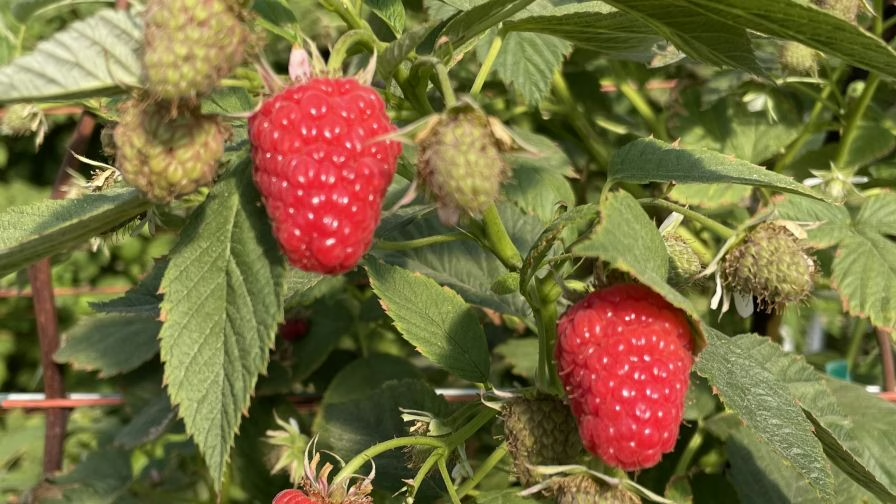
Long cane raspberries growing in high tunnels. | Photo courtesy of Lisa Rayburn
Can long cane raspberry production—a widely adopted growing technique in Europe—work in North Carolina? Current research from North Carolina State University (NC State) suggests that it can, with a few caveats.
Long cane raspberry production has recently made its way to the U.S. In this system, first-year canes are grown in containers in a nursery. At the end of the first season, the canes are allowed to go dormant. The dormant canes are then shipped to growers and held in cold storage before being planted in containers, greenhouses, or high tunnels.
In North Carolina, however, “It’s too hot and humid to grow raspberries in the ground when we’re trying to get them to fruit in June and July,” says Lisa Rayburn, a graduate student at NC State, who’s leading the study, now in its second year “High temperatures lead to small berry size and a soft, leaky fruit.”
After purchasing 1-year-old raspberry canes from a local nursery, Rayburn keeps the plants in cold storage and transfers them to high tunnels in late January so she can start harvesting the fruit in April. This allows her to align the growing period with strawberry season in North Carolina.
“Timing raspberry production with strawberry production would give us the right temperature to produce a big, quality fruit,” she explains. “Plus, it gives growers the ability to add another crop they couldn’t otherwise grow because their soil conditions aren’t appropriate for it.”
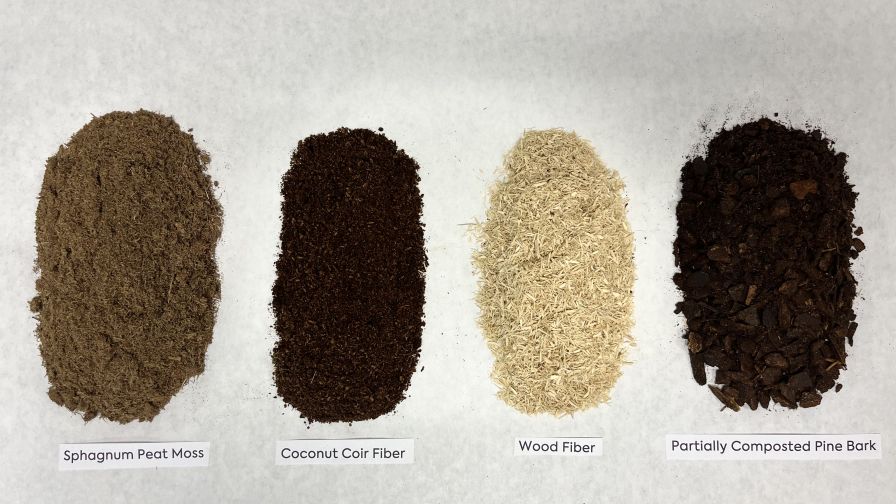



A key part of Rayburn’s research included finding an alternative, locally produced substrate for long cane raspberry production.
“We have a lot of pine forests down here,” she says. “In the first two years of the study, we determined that growers can successfully use pine bark as a substrate. We didn’t see significant changes in yield between coco coir and pine bark.”
Rayburn concedes that long cane production isn’t for everyone, and growers would want to make sure they have a market for premium-priced, locally grown raspberries. “This system requires a lot of management,” she says. “It’s labor intensive, you have the cost of the high tunnels, and you have your annual plant costs.”
Her next set of studies will focus on making the economics work. Among other approaches, she says, “We’re looking at how many raspberry canes per meter we can put in a high tunnel to reduce some of our input costs and get more yield per cane with more space. We’re also looking at the impact of lateral pruning on berry size and harvest efficiency.”
Editor’s note: This article was originally published in our Industry Report: Protected Crops.