Grocery Shoppers Prioritize Local, Freshness, and Health
 February 5, 2026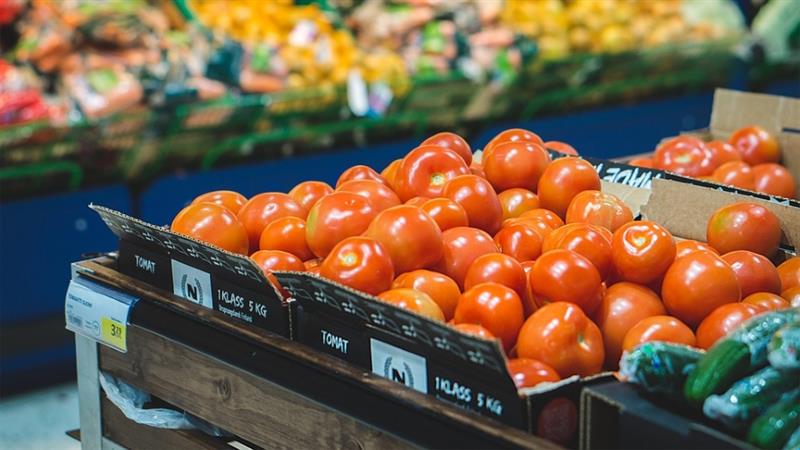
Photo: AdobeStock
New research from Provoke Insights’ Grocery Trends & Consumer Buying Behaviors: Winter 2025/2026 examines how U.S. consumers are navigating food purchases across the grocery store amid ongoing cost pressures and shifting health priorities.
While the study spans multiple grocery categories, several findings stand out for produce suppliers seeking to understand evolving shopper expectations.
Based on a nationally representative survey of 1,500 adults, the research found that 47% of shoppers say locally grown produce is the top factor influencing their fresh produce purchases, followed by organic production. Interest in local sourcing was especially pronounced among parents, Baby Boomers, rural shoppers, and higher-income households, suggesting broad appeal across demographic groups.
Price and Shelf Life Remain Key Barriers
Despite strong stated preferences for fresh produce, price remains the most significant barrier to purchase, cited by 54% of respondents. Short shelf life and seasonal availability were also frequently mentioned, particularly among higher-income shoppers. These practical concerns continue to shape how much produce consumers buy, and how often.
Across grocery categories, the study shows that consumers are more willing to pay a premium for products tied to high-quality ingredients, cleaner eating, and health benefits than for sustainability alone. While sustainability remains an important consideration, it tends to play a supporting role rather than serving as the primary purchase driver.


Trust and Transparency Influence Purchase Decisions
The report also highlights persistent skepticism around food claims, with nearly one-quarter of shoppers expressing doubts about labels such as “sustainably sourced” or “no artificial flavors,” particularly among Gen Z consumers. This skepticism underscores the growing importance of clarity, verification, and consistent messaging across the food supply chain.