British Columbia Backs Smart Farming and Ag Tech Training
 January 21, 2026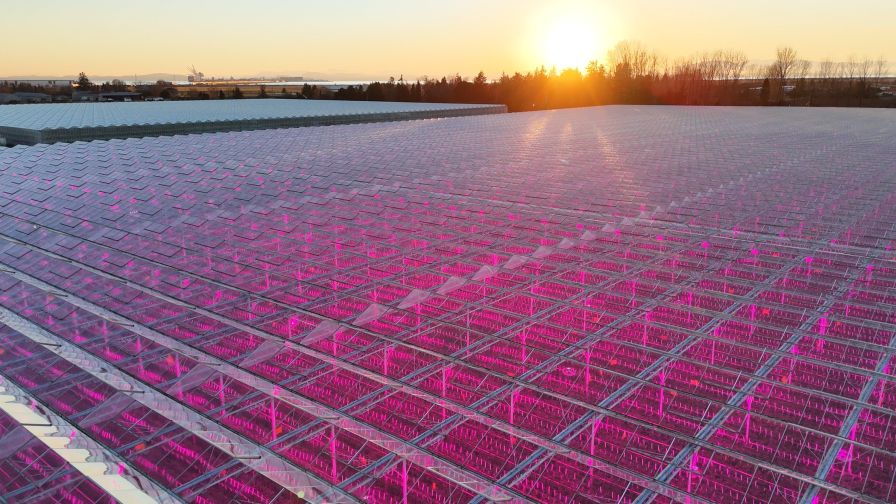
Windset Farms' facility in Delta, British Columbia. | Photo courtesy of Windset Farms
The Canadian province of British Columbia is investing in a mix of smart-farming technology and workforce training to strengthen domestic food security and accelerate ag tech adoption, according to an article from British Columbia Government News.
With support from the B.C. Centre for Agritech Innovation, Delta-based Windset Farms is developing a sensor-driven smart-farming system designed to automate decision-making inside commercial greenhouses. The project uses advanced data analytics and machine learning to optimize climate control, nutrient uptake, and early disease detection in hydroponic tomato production.
The initiative is being delivered in partnership with Simon Fraser University, Koidra, Vivent, and Wageningen University & Research, building on a prior research collaboration focused on sustainability and climate resilience.
“These innovations allow us to make meaningful impacts through job creation, new business opportunities, and by ensuring the security and stability of B.C.’s food supply,” said Tony Kalf, chief technology officer, Windset Farms. “By optimizing the growing environment, we can create efficiencies while minimizing resource use, allowing us to consistently grow high-quality produce year-round.”
Training Expands Resilience Beyond the Greenhouse
Complementing the technology push, two new training programs aim to broaden agronomic and technical skills. Kwantlen Polytechnic University is launching a program centered on drought-resilient production, including dry-farming methods that minimize irrigation through agro-ecological practices and soil health management.


Meanwhile, the University of the Fraser Valley is demonstrating robotic weeding technologies to reduce labor dependence, lower herbicide use, and improve resource efficiency for fruit and vegetable growers.
Together, the three initiatives represent roughly $658,000 in combined investment and are expected to train more than 350 participants, support commercialization of new tools, and contribute to a more resilient, technology-enabled food system.