Opinion: Long-term CEA Success Depends on Field Farmers
 August 27, 2025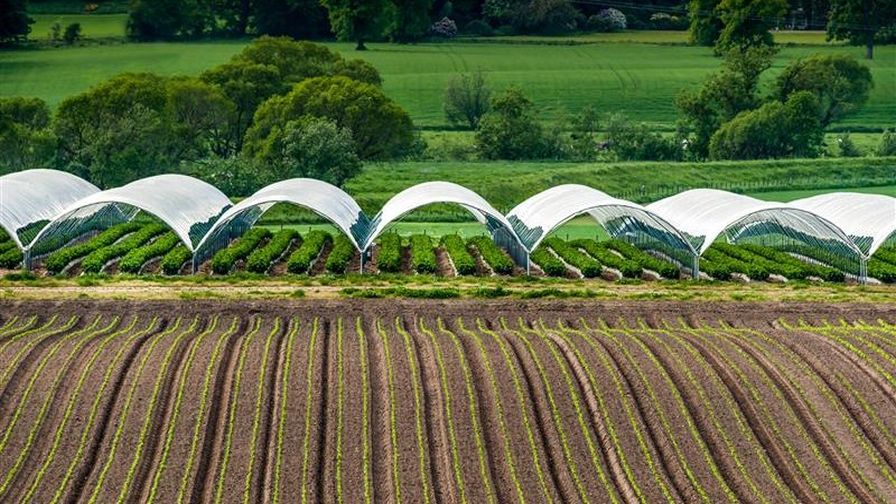
Photo: Adobe Stock
Domestic, open-field farming of commercial produce is unsustainable. Thanks to NAFTA/USMCA, we’ve outsourced much of it to Canada and Mexico because of (a) cheap labor and (b) USD buying power, which has put many American farmers out of business. While this is great for Canada and Mexico, this outsourcing forces us to import fruit and vegetables grown under methods that, in some cases, we won’t let our own farmers use. Tariffs and deportation issues will raise prices, as proven by July’s 38.9% jump in the Producer Price Index, which will make food insecurity even more painful for many Americans. Entire communities are becoming destitute because the primary employers (farmers) are out of business. It’s very sad.
As most farmers already know, CEA is huge in the Netherlands, Canada, Spain, Japan, and many other countries. The United States is the latest one to (try to) adopt it and, collectively, we screwed it up: AppHarvest, Plenty, Kalera, Bowery… all failed. Those remaining (Local Bounti, AeroFarms, etc.) are under extreme financial pressure to recoup their massive investments in a thin-margin category. Yes, there are some bright spots (see Little Leaf, 80 Acres), but these are the exceptions. If we want this category to take off, we need to create the ecosystem that enables category opportunity. American CEA should have started small, grown the ecosystem, leveraged the expertise of those who know how to grow food (farmers), and expanded from there. You can’t start your navy with an aircraft carrier and operate it without trained sailors.
Farmers must lead this charge!
American farmers possess ideal assets needed to succeed in CEA. They:
- Already own the land
- Have unfettered access to water
- Have 480V, three-phase electrical service to the property
- Understand the business of American agriculture
- Thrive in thin-margin environments.
Scaling Up
But assets alone won’t guarantee farmers CEA success. We need to surround them with ecosystems that let them do what they do best: Grow in bulk and sell in bulk. This is how American open-field agriculture works, and how it can work with commercial CEA. More importantly, these facilities must start affordably—i.e., mid-tech PT boats versus high-tech aircraft carriers. Once farmers see how these smaller facilities deliver more revenue and profit per acre than their open-field operations, they can expand.

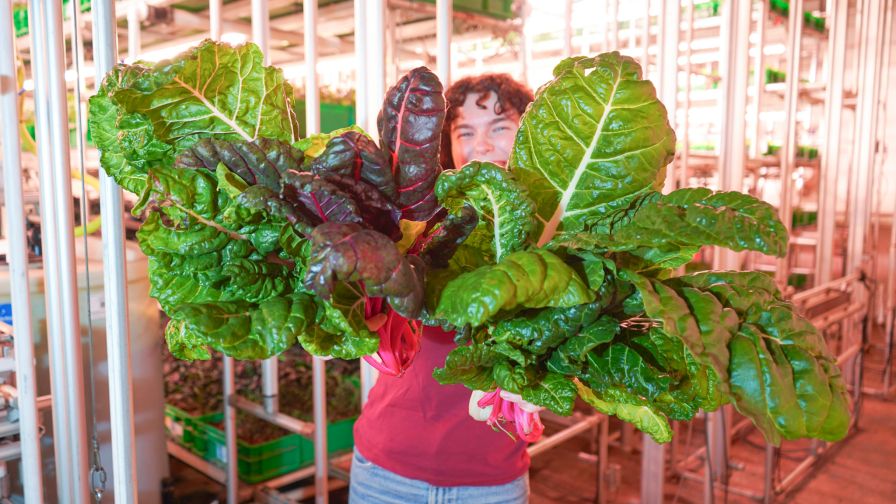

This is how the Netherlands and Canada did it. They didn’t start with massive private equity investments and 50-acre mega facilities. They started with farmers who took a portion of their acreage to see if this could work for them. Once they saw profit, they expanded. As their CEA production expanded, so did their supporting ecosystems. Buyers, vendors, repairs, packaging, distribution, retail—all aligned their traditional operations to support this expanded yield and profit opportunity. It’s worked so well that the Netherlands has become the world’s No. 2 exporter of food—from a country the size of Maryland!
Just because it works in the Netherlands is no assurance it can work here. But the sad reality is that it has to:
- The total number of U.S. farms is in decline as younger generations leave them behind.
- Farm acreage is in decline, competing with urban sprawl and solar fields.
- Hunger is expanding (44 million Americans are considered food-insecure).
- Rural economies are struggling.
- There’s increased foreign dependence on produce (30% of our veggies, 50% of our fruit is imported).
- Tariffs and deportations only add to the problems.
These issues require expanded yields and American food independence. We need to bring production back to our country. We need to expand open-field operations to include CEA. We need commercial agriculture to be profitable again. We need business ecosystems that can support these new facilities.
Most importantly, we need farmers to take up the yoke.