CEA Basics: Growing Methods and Media
 August 12, 2025
Inside your controlled environment agriculture (CEA) structures (be they greenhouses, vertical farms, or container farms), the specific production systems you use will determine everything from startup costs to labor requirements to crop quality. Each approach offers distinct advantages, but the “best” choice depends on your crops, market, and operational capabilities.
Hydroponics: Substrate-based
Hydroponic systems dominate commercial CEA for good reason. In substrate systems, plants are grown in inert media like rockwool, perlite, or coconut coir, receiving all nutrients through precisely controlled water solutions. This soilless growing method offers unmatched control over plant nutrition and eliminates soil-borne diseases.
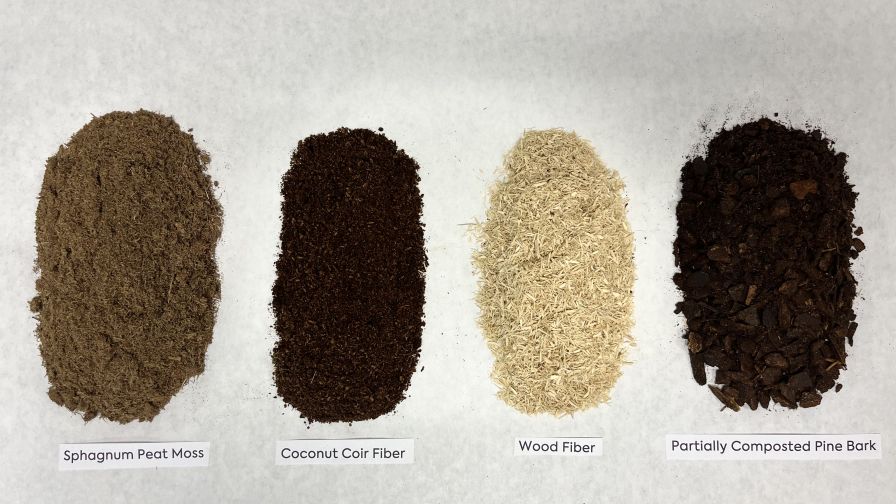
Some common substrates include:
- Coconut coir—increasingly popular due to sustainability and excellent water retention properties.
- Rockwool—which dominates in European greenhouse operations for its consistency and reusability.
- Peat-based—widely used for excellent water-holding capacity and natural buffering properties, though sustainability concerns are driving some operations toward alternatives.
- Perlite—offering excellent drainage for crops sensitive to root zone moisture.
These systems typically cost less than recirculating hydroponic systems like NFT or DWC (see below) while offering more control than soil. They’re forgiving of minor nutrient mistakes and easier to manage than water-based hydroponic systems since the substrate provides some buffering capacity.
Hydroponics: Water-based
Deep Water Culture (DWC) suspends plant roots directly in oxygenated nutrient solutions, making it popular for leafy greens. Nutrient Film Technique (NFT) circulates a thin film of nutrients past roots, maximizing oxygen exposure. Drip systems deliver nutrients directly to individual plants, working well for larger crops like tomatoes and cucumbers.

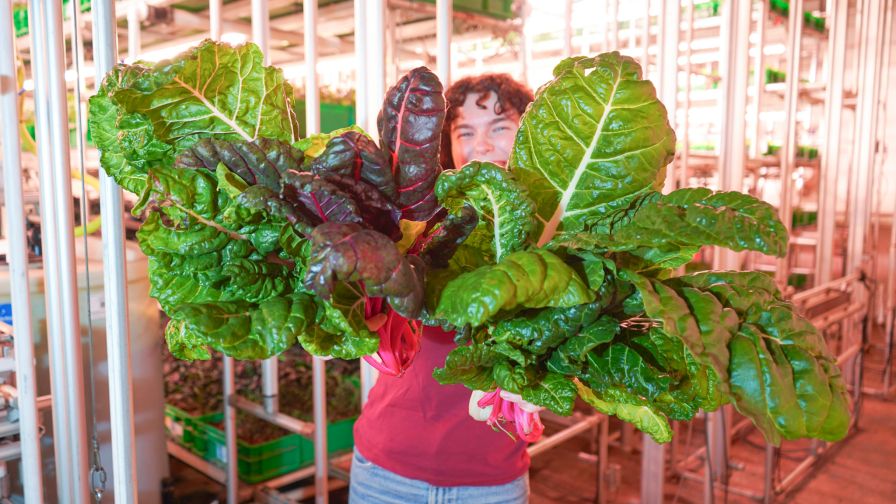

Compared to soil-based farming systems (indoor and outdoor), commercial hydroponics systems typically deliver faster growth rates and higher yields per square foot, due to precise nutrient control and optimal root zone conditions. Water usage is also more efficient since nutrients can be recirculated and there’s no loss to soil absorption. Labor efficiency improves since there’s no soil cultivation, and harvest quality stays consistent year-round.
However, hydroponic growing requires significant technical expertise. Nutrient imbalances can destroy crops quickly, and system failures mean immediate plant stress. Initial equipment costs run higher than soil systems, and ongoing expenses include specialized nutrients, pH adjusters, and media replacement.
Soil-Based Systems
Soil-based CEA might seem counterintuitive, but many successful operations use engineered growing mixes in controlled environments. These systems combine the biological complexity of soil with the environmental control of CEA facilities.
Growing plants in pots or bags allows precise portion control while maintaining familiar growing practices. Raised bed systems work well for some vegetables. The key is using sterile potting media rather than field soil to avoid pest and disease issues.
The advantages include lower technical barriers, reduced dependency on specialized equipment, and, often, superior flavor profiles in certain crops. Many organic CEA operations prefer soil-based systems for certification compatibility.
Drawbacks include heavier infrastructure requirements, potential for soil-borne issues despite sterilization, and generally lower yields per square foot compared to hydroponic alternatives. Water management also becomes more complex since drainage and irrigation patterns vary.
Aquaponics
Aquaponic systems combine fish farming with hydroponic plant production, creating a closed-loop ecosystem where fish waste provides plant nutrients while plants filter water for fish. This integrated growing method appeals to operations seeking sustainability and product diversification.
The system works through beneficial bacteria that convert fish waste into plant-available nutrients. Common fish species include tilapia, trout, and catfish, while plants typically focus on leafy greens and herbs that thrive in the nutrient profiles fish produce.
Commercial aquaponics offers multiple revenue streams from both fish and produce sales. Marketing advantages include sustainability messaging and local food system appeals. Operating costs can be lower since fish feed replaces purchased nutrients.
However, aquaponic operations require expertise in both fish husbandry and plant production. System complexity increases dramatically, as problems affecting fish immediately impact plants and vice versa. Startup costs may exceed other methods due to dual infrastructure requirements. Crop selection is also limited to plants that tolerate fish-derived nutrient profiles.
Aeroponics
Aeroponic systems suspend plant roots in air while delivering nutrients through fine mist sprayers. This advanced growing method maximizes oxygen exposure to roots, theoretically producing the fastest growth rates and highest yields of any system.
Commercial aeroponics excels for high-value crops like herbs, pharmaceuticals, and propagation operations. Root development is exceptional, and the system uses minimal water and nutrients. Some operations report 30-50% faster growth compared to traditional hydroponics.
The challenges are significant. Aeroponic equipment requires sophisticated misting systems, backup power supplies, and constant monitoring. Clogged nozzles can kill plants within hours. The technical complexity demands highly skilled operators, and equipment costs are the highest of any growing method.
Most successful aeroponic operations start small with high-value crops to justify the complexity and investment requirements.
Choosing Your Growing Method
System selection should align with your operational capabilities and market goals:
- Start with your crops: Leafy greens thrive in NFT or DWC systems, while fruiting crops often perform better in substrate or drip systems. High-value herbs might justify aeroponic complexity.
- Consider your team: Hydroponic systems require technical expertise, while soil-based approaches may suit operations with traditional agricultural backgrounds.
- Evaluate infrastructure: Aquaponics needs dual facility design, while aeroponic systems require backup power and sophisticated controls.
- Plan for scaling: Some systems scale more easily than others. NFT channels expand incrementally, while aquaponic systems require careful biological balance as they grow.
The Bottom Line
No single growing method dominates all applications. Successful CEA operations may combine approaches—using DWC for lettuce, substrate systems for tomatoes, and soil for specialty crops. The key is matching technology to crops, capabilities, and market demands rather than choosing based on novelty or theoretical advantages.
The CEA Basics series includes a range of articles for those new to growing food under cover. This article was produced with the support of AI tools and was reviewed and refined by CEAg World’s editorial team.