CEA Basics: The Differences Between Greenhouses, Vertical Farms, and Other Systems
 July 29, 2025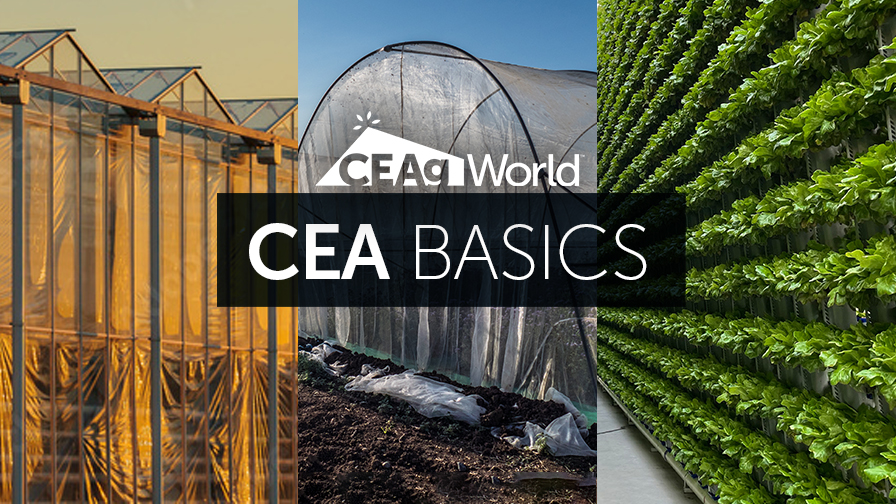
From high tunnels to traditional greenhouse farming to cutting-edge vertical farms, the controlled environment agriculture (CEA) umbrella covers a diverse range of production systems. Understanding these distinctions isn’t just academic—it affects everything from equipment procurement to regulatory compliance and investment decisions.
At its foundation, CEA refers to any production system that provides some level of environmental control and crop protection beyond open-field conditions. The key word here is “controlled”—CEA systems actively manage one or more environmental variables to optimize plant growth, protect crops from external stresses, and extend growing seasons.
This broad definition encompasses everything from simple season extension structures to fully automated, climate-controlled facilities. The level of control varies dramatically, creating a spectrum rather than clear-cut categories.
Traditional Greenhouses: The CEA Standard
When most people think of CEA, they picture traditional greenhouses. These structures typically feature transparent or translucent covering materials—glass, polycarbonate, or specialized films—that allow natural light penetration while providing protection from weather, pests, and temperature extremes.
Modern commercial greenhouses often incorporate sophisticated climate control systems, including heating, cooling, ventilation, and humidity management. Many also feature automated irrigation systems, nutrient delivery, and environmental monitoring. These facilities represent the middle ground of CEA: more controlled than basic protected cropping but less intensive than fully enclosed growing systems.

The economics make sense, too. A well-designed greenhouse can deliver consistent yields year-round while keeping energy costs manageable through smart use of natural light and passive climate strategies.
High Tunnels and Hoop Houses: Entry-Level Protection
High tunnels, hoop houses, and caterpillar tunnels occupy the simpler end of the CEA spectrum. These structures typically consist of metal or PVC hoops covered with plastic sheeting, providing basic protection from wind, rain, and temperature fluctuations.
While high tunnels offer limited environmental control compared to full greenhouses, they still qualify as CEA because they create a modified microclimate. Many commercial operations use high tunnels for season extension, allowing earlier planting and later harvests. Some incorporate basic ventilation systems or removable side panels for temperature management.
The distinction between high tunnels and greenhouses often comes down to permanence, structural complexity, and level of environmental control rather than size alone. For growers testing the CEA waters, high tunnels offer an affordable entry point with measurable returns.
Protected Cropping: The Broader Category
Protected cropping is sometimes used interchangeably with CEA, but it more accurately describes the broader category of growing under any form of protection. This includes not just enclosed structures but also shade houses, insect exclusion nets, and even row covers.
Shade houses, common in nursery operations and warm-climate vegetable production, use mesh or cloth coverings to reduce light intensity and temperature while maintaining air circulation. These structures provide protection without full enclosure, representing a hybrid approach between open-field and controlled environment production.
Container Farming: CEA in a Box
Container farms represent a newer category within CEA, converting shipping containers or similar enclosed spaces into growing environments. These modular CEA systems typically feature complete environmental control, including artificial lighting, climate management, and hydroponic growing systems.
Container-based agriculture appeals to growers seeking mobility, modularity, and the ability to produce in locations unsuitable for traditional agriculture. However, their energy requirements and limited growing space create unique economic considerations compared to other CEA systems. The key advantage is standardization; once you dial in the recipe for one container, you can replicate it anywhere.
Vertical Farming: Maximizing Space Efficiency
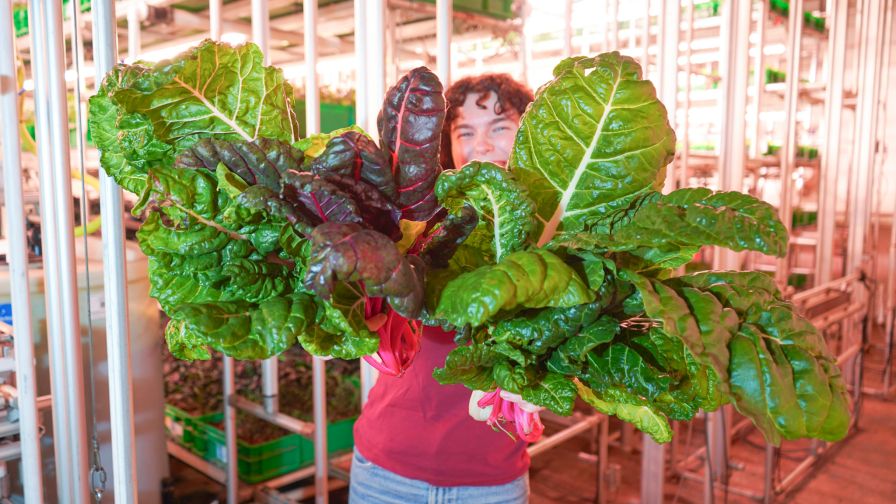
Vertical farms take CEA to its most intensive level, stacking growing layers within climate-controlled buildings. These facilities typically rely entirely on artificial lighting—usually LED systems—and feature sophisticated automation for everything from nutrient delivery to harvest.
While vertical farming systems represent the cutting edge of CEA technology, their high capital and operating costs have limited their commercial viability to high-value crops and specific market conditions. However, they demonstrate the potential for CEA systems to maximize production per square foot of building space.
The math works best for crops with quick turnaround times and premium pricing—think leafy greens, herbs, and microgreens.
Plant Factories: The Ultimate Control
Plant factories, primarily developed in Japan and increasingly adopted elsewhere, represent the most controlled form of CEA. These facilities maintain precise control over all environmental variables—light, temperature, humidity, CO2, nutrients, and air circulation—often in sterile or semi-sterile conditions.
Plant factory systems typically produce leafy greens, herbs, and other short-cycle crops using hydroponic or aeroponic systems. While they offer the highest level of control and predictability, they also require the greatest energy inputs and technical expertise.
Making Sense of the CEA Spectrum
For commercial growers evaluating CEA options, the key is matching the level of control to crop requirements, market conditions, and available resources. A high-value herb operation might justify the investment in a fully controlled plant factory, while a tomato grower might find optimal returns in a well-designed greenhouse with selective automation.
Consider these factors when choosing your CEA approach:
- Crop requirements: Some plants need precise environmental control, while others thrive with basic protection. Match your system to your crops, not the other way around.
- Market position: Are you competing on volume, quality, or unique positioning? Different CEA systems excel at different value propositions.
- Resource availability: Energy costs, skilled labor, and capital all factor into the equation. The most sophisticated system isn’t always the most profitable.
- Growth strategy: Starting with simpler systems and scaling up often makes more sense than jumping right into high-tech solutions.
The Evolution Continues
The CEA landscape continues evolving as technology advances and costs change. LED efficiency improvements, automation advances, and renewable energy integration are all shifting the economics of different systems.
Understanding these distinctions helps growers make informed decisions about which systems best serve their specific production goals and market opportunities.
The CEA Basics series includes a range of articles for those new to growing food under cover. This article was produced with the support of AI tools and was reviewed and refined by CEAg World’s editorial team.